Exploring UK's Wild Side: Citizen Science Expeditions

Unlocking Nature’s Mysteries: Wildlife Tracking in Scotland

Participating in Avian Research: The Scottish Birdwatching Initiative
With binoculars in hand and field guides at the ready, bird enthusiasts can contribute to avian conservation through the Scottish Birdwatching Initiative. From the rolling hills to the rugged coastlines, participants record sightings and behaviors, providing valuable data to ornithologists. Each observation, whether it's a common blackbird or a rare golden eagle, adds to the collective understanding of avian life in Scotland.
Discovering Marine Life: Scottish Coastline Cetacean Study

The Scottish Coastline Cetacean Study invites citizen scientists to embark on a journey of discovery. Volunteers scan the horizon for fins and flukes, tracking the movements and numbers of dolphins, whales, and porpoises. This data is crucial for protecting Scotland's marine biodiversity against threats like pollution and climate change.
Contributing to Conservation: England’s Natural Heritage Projects
Monitoring Mammals: The New Forest Mammal Watch

The New Forest Mammal Watch, part of Forestry England’s centenary celebrations, appeals to nature lovers to share in the thrill of tracking and documenting the diverse species that inhabit the New Forest. By collecting evidence of mammals, from the elusive pine marten to the iconic red deer, volunteers aid in the study and conservation of these creatures. Details on how to participate can be found on forestryengland.uk.
Protecting Pollinators: Bee Counting in the Cotswolds
In the picturesque hills of the Cotswolds, citizen scientists gather to monitor the health and diversity of bee populations. By identifying species and documenting their numbers, volunteers contribute to vital research efforts aimed at safeguarding these essential pollinators, which are integral to the British countryside.
Marine Conservation and Research: Joining Forces with the Experts
Surveying Sea Creatures: Devon’s Rockpool Explorations

Devon's shallow rock pools teem with life, making them perfect natural laboratories for families and individuals alike. Volunteers can record the vivid sea anemones, scampering crabs, and delicate starfish they find, using tools like the iNaturalist app to catalog their discoveries.
Guardians of the Deep: Whale and Dolphin Patrols
Join the ranks of the ocean's stewards by participating in whale and dolphin patrols off the UK's coasts. Gather data on sightings, behavior, and the numbers of these majestic sea mammals, playing a critical role in the efforts to preserve their populations for future generations.
Guarding Green Spaces: Volunteer Botanical Surveys Across the UK

Plant Population Mapping: Botanical Society's Field Days
Botanical Society's Field Days encourage amateur botanists and plant lovers to join in mapping the distribution of plant species across the UK. This hands-on research aids in tracking the health of ecosystems, identifying areas in need of conservation, and understanding the impact of environmental change on plant life.
The Urban Flora Project: Recording in City Settings

Echoing the mission for greener cities, The Urban Flora Project welcomes volunteers to document plant life in urban settings. The data collected helps in creating strategies for urban biodiversity, ensuring that even in the heart of the city, nature has a place to thrive.
Family-Friendly Nature Adventures: Educate and Participate
Nature Quests for Families: Engaging Youngsters with Biodiversity

Intertidal Investigations: Family Rock Pooling Sessions
Cultivating a sense of wonder and stewardship in the natural world begins with our children. Family rock pooling sessions along the UK's shores allow kids and adults alike to explore the wonders of the intertidal zone, engaging in citizen science while fostering a lifelong appreciation for marine ecosystems.
Wildlife Wonders: Interactive Nature Walks for Children
Interactive nature walks geared towards youngsters invite families to discover the hidden treasures of the UK's woodlands, meadows, and wetlands. Guided by experts, these walks offer a glimpse into the fascinating lives of native wildlife, from industrious ants to soaring birds of prey.
Eco-Friendly Holidays: Sustainable Stays in the UK’s Countryside
Green Getaways: Staying at Eco-Friendly Farms and Reserves
Eco-friendly farms and nature reserves across the UK offer holiday options that allow travelers to experience the beauty of the countryside while minimizing their environmental impact. Sustainable practices and deep connections to nature are at the heart of these serene getaways.
Responsible Tourism: Effects on Local Ecosystems and How to Minimize Them
Tourists play a vital role in the conservation of natural spaces by practicing responsible tourism. Understanding the effects of human activity on local ecosystems is key, as is learning how to minimize disruption to wildlife while enjoying the plentiful landscapes the UK has to offer.
Fostering Flora and Fauna: Habitat Restoration and Creation Initiatives
Re-wilding Britian: Community Projects in Rural and Urban Areas
Urban Biodiversity Enhancement: Wildlife Corridors in Cities
The push for urban biodiversity enhancement has led to the creation of wildlife corridors in many cities. These patches and pathways of greenery enable animals and plants to thrive and migrate through urban environments, ensuring a more diverse and resilient urban ecosystem. Volunteers can get involved by planting flora and assisting with corridor maintenance.
Rivers and Wetlands Conservation: Citizen Efforts in Waterways Rehabilitation
Rivers and wetlands are the lifeblood of the British landscape. Citizen-driven conservation projects focus on the rehabilitation of these crucial waterways, providing cleaner habitats for wildlife and improved water quality. Engaging with local conservation groups, volunteers can participate in activities such as water testing and vegetation planting.
Beach and Coastal Care: Combating Pollution and Preserving Shorelines
Coastal Cleanup Campaigns: The Fight Against Marine Litter
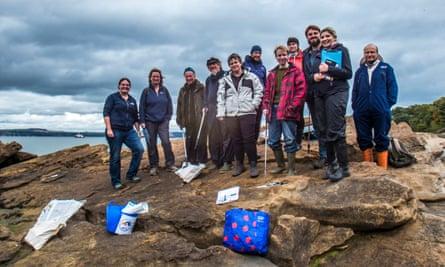
Join the fight against marine litter by participating in coastal cleanup campaigns such as The Great British Beach Clean. Organized events across various locations see communities come together to remove trash from beaches, preventing harm to marine life and improving the natural beauty of the coastlines.
Seagrass Sanctuaries: Volunteering for Marine Meadows
Volunteers have the opportunity to play a pivotal role in the creation and maintenance of seagrass sanctuaries. These underwater meadows are not only beautiful but are also critical habitats for young fish and carbon sinks for fighting climate change. Volunteer efforts range from seed planting to monitoring the health of established seagrass beds.
Special Focus: Rare Species and Unique Habitats
Championing Chiropterology: The Bat Conservation Trust’s Nighttime Surveys
Exploring the Night: Bat Detection and Data Collection
The mysterious world of bats becomes accessible through the Bat Conservation Trust's nighttime surveys. Armed with ultrasonic detectors, citizen scientists record bat calls, which are analyzed to monitor bat populations and behaviors. This information is vital for protecting these nocturnal creatures and their roosts.
Building Bat Boxes: Creating Habitats in Local Areas
Building and installing bat boxes in local areas is an interactive way to support bat conservation efforts. These simple shelters provide safe roosting spots for bats and help compensate for the loss of natural habitats, ensuring that bats continue to play their part in the ecological community.
The Lure of Lepidoptera: Participatory Butterfly and Moth Monitoring
Butterfly Conservation Efforts: Recording in the UK’s Meadows
Butterflies are not only beautiful but also significant indicators of a healthy environment. Volunteers contribute to conservation efforts by recording butterfly sightings in the UK's meadows. The data collected helps to track changes in populations and informs strategies to protect these delicate insects.
Moth Identification Workshops: Citizen Scientist Training Events
Moths, with their nocturnal habits and diverse species, are fascinating subjects for citizen science. Identification workshops equip volunteers with the skills needed to recognize and record moth species, contributing to scientific knowledge and conservation programs.
Citizen Science in Action: From Data Collection to Real Change
Turning Observations into Conservation: The Impact of Citizen Data
Data-Driven Policy Making: How Volunteers Influence Environmental Decisions
Volunteer-collected data is not merely academic; it informs data-driven policymaking. By contributing to large-scale databases, citizen scientists give policymakers the evidence needed to create effective conservation strategies. These efforts can lead to protected areas, species recovery plans, and changes in environmental laws.
Citizen Science Success Stories: Case Studies of Significant Change
Case studies across the UK demonstrate the tangible impact of citizen science. Success stories abound, from the rebounding of once-declining species to the restoration of habitats that now flourish, all underscore the value of public participation in scientific endeavors.
The Future of Citizen Science: Trends and Technology
Advancements in Field Equipment: Tools for Tomorrow’s Citizen Scientists
The future of citizen science looks bright with advancements in field equipment. From smartphone apps capable of identifying species to portable DNA analyzers, the toolkit for the citizen scientist is rapidly expanding, making the process more efficient and accessible than ever.
Increasing Accessibility: Making Citizen Science Inclusive for All
Ensuring that citizen science is inclusive and accessible to all demographics is a goal for the future of ecological research. By removing barriers to participation, such as geographic and socioeconomic constraints, the field can benefit from a diversity of observers and contributors, enriching the data and its impact.